
Families Embrace "Analog Childhood" as Board Games and Puzzles Make Major Comeback
Cherry Creek Lane News | March 20, 2026
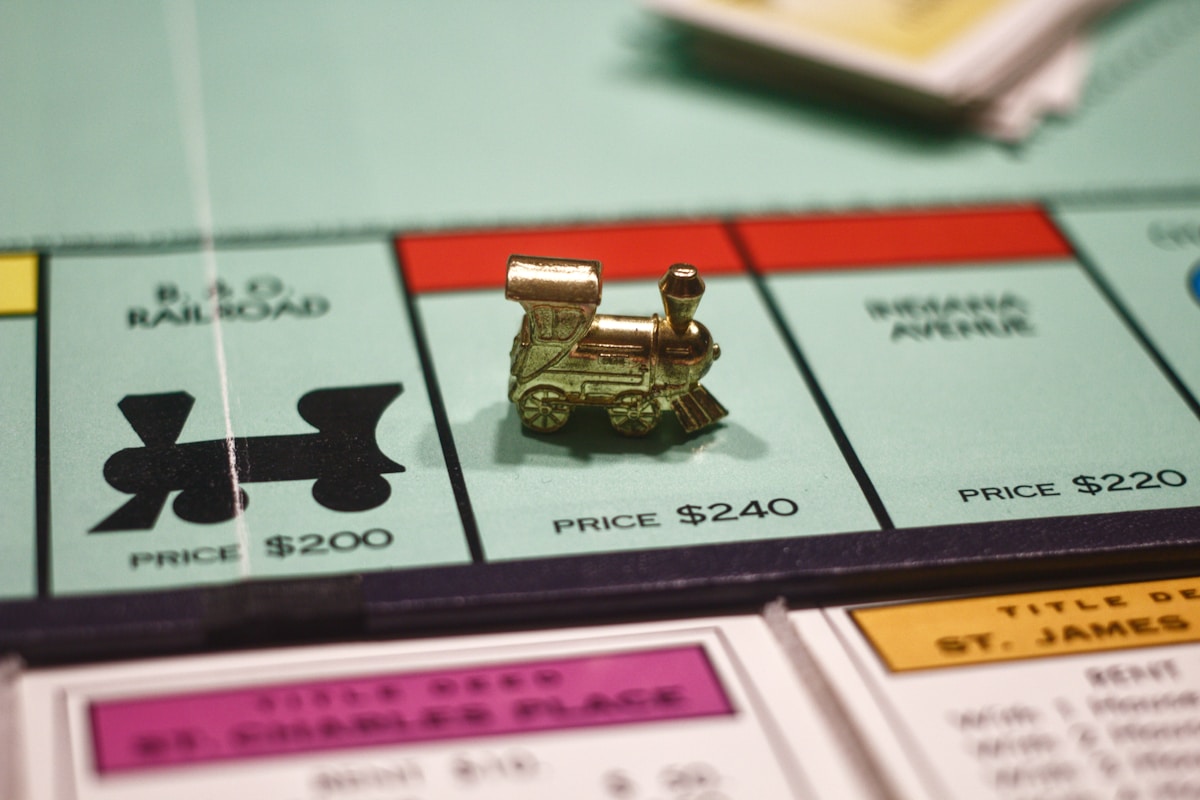
Table of Contents
- The Analog Living Movement
- What Going Analog Looks Like
- Cognitive and Social Benefits
- Why Families Are Craving Limits
- How Families Are Making the Shift
- Sources
The Analog Living Movement
American families are mounting a quiet rebellion against digital overload in 2026, embracing what parenting experts call "going analog." From board games and puzzles to landlines and VHS players, parents are deliberately choosing old-school entertainment to create boundaries, reduce overstimulation, and support healthier childhood development.
The trend represents one of the biggest lifestyle shifts in 2026 parenting. Families are prioritizing boredom, backyard play, board games, crafts, and park days over structured classes and screen-based entertainment. The movement gained momentum following the 2024 publication of "The Anxious Generation" and growing awareness of social media's impact on youth mental health.
Parents across the political spectrum report implementing tech-free family rhythms: deciding where phones go when they walk in the door, making the first few minutes after school phone-free, and building in analog rituals like board games on weekends, walks, and cooking together. The Tin Can kids' phone, a landline-like device, became a symbol of the trend in 2025 after appearing in major news headlines.
What Going Analog Looks Like
The analog childhood trend emphasizes unstructured time over overscheduling. Parents are dropping commitments so families can breathe, favoring fewer pricey classes and time-consuming teams. Households are bringing back activities that require no power source: jigsaw puzzles, word searches, coloring, tangrams, building blocks, and traditional games.
Families are choosing quietcations and hushpitality for vacations, seeking off-grid cabin experiences with hiking, slow mornings, and afternoons spent reading. Hotel chains report that travelers' number-one motivation for leisure travel in 2026 is to rest and recharge, with 91% seeking slower-paced trips.
The shift extends beyond entertainment. Parents are opting for secondhand baby gear, hand-me-downs, and experience gifts over consumer products. Ninety-era pizza parties are replacing Pinterest-perfect themed celebrations. De-influencing has become a growing trend, with parents leaving behind curated Instagram aesthetics for more realistic family life.
Cognitive and Social Benefits
Research supports the analog activity renaissance. Studies show that word puzzles and board games boost brain health across all ages. Crossword puzzles improve executive functioning, spatial recognition, and processing speed in older adults. Among older adults with mild cognitive impairment, crossword puzzles showed advantages over digital brain games in sharpening memory.
Board game players have a 15% lower risk of developing dementia than non-players, according to French research with 20 years of data. Players showed significantly less cognitive decline and less depression, both factors associated with increased dementia risk. In a survey, 65% of US adults reported enjoying board games, with half noting they provided social outlets while enhancing decision-making, patience, and critical thinking.
For children, puzzle play enhances problem-solving ability, spatial reasoning, and memory. Research from the University of Chicago found that puzzle play in children aged 2 to 4 predicted spatial transformation skills at kindergarten, which strongly correlate with mathematical ability and STEM performance. Children who played with puzzles regularly showed stronger performance in geometry, map reading, and secondary education STEM subjects.
Why Families Are Craving Limits
Clinical psychologist Dr. Becky Kennedy explains the analog trend as families craving limits in an age of instant gratification. The digital world makes endless scrolling, emails, questions, and levels available without natural stopping points. Analog activities provide built-in boundaries: board games end, puzzles complete, books finish.
Parents recognize that real-world experiences, relationships, and unstructured play should come first for young children. Experts emphasize that AI and technology should serve as supporting tools, not substitutes for human interaction, play, or creativity. The balance parents seek involves using technology intentionally to make life easier without replacing connection.
How Families Are Making the Shift
Families implementing analog living start with clear tech rules, whether written or unwritten. Common strategies include designating phone storage locations upon arrival home, establishing screen-free times during meals and after school, and creating weekly analog rituals that become family traditions.
Parents report prioritizing play-based education, social-emotional development, and routines that build independence while limiting passive screen time in favor of hands-on experiences. The shift doesn't eliminate technology but reframes its role: phones still exist, but families choose when and how they integrate into daily life.
Pediatricians and therapists increasingly support families making these changes, viewing them as protective factors for children's development. Schools are also participating, with many states implementing phone bans and screen time limits during the 2025-2026 school year.
Sources
- The Everymom: 2026 Parenting Trends We're Excited to Embrace This Year
- Macaroni KID: Parenting Trends 2026: What's In, What's Out & What Moms Are So Over
- Psychology Today: Word Puzzles and Board Games Boost Brain Health
- Our Little Joys: How Puzzle Play Builds Kids' Brains
- Our Little Joys: 25 Best Puzzle Games for Kids (2026)
- Today's Parent: Pinterest Releases Top Parenting Trends For 2026